
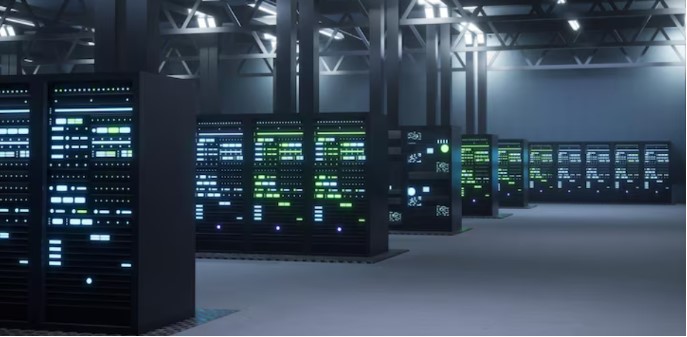


An efficient and well-planned data center design plays a major role in today’s digital-driven world. Every business, whether small or large, depends on data for daily operations, communication, and decision-making. If the systems behind this data are not properly designed, companies may face slow performance, downtime, or even data loss. A strong data center design ensures smooth operations, better performance, and higher reliability. It helps businesses manage large amounts of data while maintaining speed, safety, and stability in all conditions.
Importance of Effective Data Center Design
A strong data center design is the foundation of any modern IT system. It includes proper planning of hardware placement, cooling systems, power supply, and network connections. When all these elements are organized correctly, the system works more efficiently and with fewer errors. Good design also reduces the risk of overheating and power failures. It ensures that servers and storage systems can operate without interruption. In simple terms, effective data center design creates a stable environment where digital operations can run smoothly and safely.
Improving Business Performance Through Efficiency
Business performance improves when systems run faster and more efficiently. A well-structured data center design allows quick access to information, which helps employees complete tasks without delay. It also reduces system lag and improves application speed. When data flows smoothly between servers, businesses can make faster decisions and serve customers better. This improved efficiency also reduces operational costs because less energy and maintenance are required. As a result, companies can focus more on growth instead of dealing with technical problems.
Enhancing Reliability and Reducing Downtime
Reliability is one of the most important benefits of a good data center design. Businesses cannot afford long periods of system failure or downtime. Proper design includes backup systems, failover solutions, and strong cooling mechanisms that keep everything running even during unexpected issues. When systems are reliable, companies can maintain continuous service for their customers. This builds trust and improves brand reputation. Reduced downtime also means fewer financial losses and better overall productivity for the organization.
Security, Scalability, and Future Growth
Modern data center design also focuses on security and future growth. Strong security systems protect sensitive data from cyber threats and unauthorized access. At the same time, scalable design allows businesses to expand their infrastructure as their needs grow. This flexibility is important because companies often deal with increasing amounts of data over time. A scalable design ensures that new technologies and additional storage can be added without major disruptions. This makes the system future-ready and adaptable to changing business demands.
Role of Modern Technologies in Data Center Design
Modern technologies have greatly improved data center design in recent years. Automation, virtualization, and cloud integration have made systems more flexible and efficient. These technologies help reduce manual work and improve resource management. They also allow businesses to monitor performance in real time and fix issues quickly. With advanced tools, companies can optimize energy usage and improve system cooling. This leads to better performance, lower costs, and a more environmentally friendly setup.
Conclusion
In conclusion, an effective data center design is essential for improving business performance and ensuring reliability. It supports smooth operations, reduces downtime, and enhances system efficiency. With proper planning and modern technologies, businesses can achieve better security, scalability, and long-term stability. A well-designed data center not only supports current needs but also prepares organizations for future growth and challenges.