


Introduction
A Valve manufacturer in India plays an important role in supplying flow-control equipment for industries that depend on safe and efficient movement of liquids, gases, steam, chemicals, and other process media. Valves are essential components in pipelines and industrial systems because they can isolate equipment, regulate flow, prevent backflow, control pressure, and support safe operation. Indian valve manufacturing covers a wide range of products, including gate valves, globe valves, ball valves, butterfly valves, check valves, plug valves, knife gate valves, diaphragm valves, needle valves, and specialized process valves.
The manufacturing sector has developed capabilities for producing valves in different sizes, pressure classes, materials, and configurations. Government documentation on domestic valve manufacturing also identifies several established valve categories and corresponding Indian or international standards. This makes the Indian valve industry relevant to water treatment, power generation, oil and gas, chemical processing, steel, cement, pharmaceuticals, food processing, infrastructure, and many other sectors. Selecting a suitable manufacturer requires attention to technical specifications, application conditions, materials, testing, quality control, and delivery requirements.
Understanding Industrial Valves
Industrial valves are mechanical devices installed in piping systems to start, stop, direct, or regulate the movement of a medium. Although the basic purpose is straightforward, valve design can vary significantly depending on operating pressure, temperature, fluid characteristics, flow rate, line size, and required operating frequency. A valve used for clean water service may have very different construction requirements from one handling corrosive chemicals, high-pressure steam, abrasive slurry, or hydrocarbons.
A Valve manufacturer in India generally develops products around these application requirements rather than treating every valve as a standard item. The body, bonnet, disc, ball, stem, seat, seals, and other components must be selected according to the operating environment. The choice of actuation can also influence performance. Depending on the application, valves may be manually operated or equipped with gearboxes, pneumatic actuators, electric actuators, or other automated systems. Proper engineering therefore becomes an important part of valve manufacturing.
Major Types of Industrial Valves
Different valve designs perform different functions within industrial piping systems. Gate valves are commonly used for isolation and are designed to provide a relatively unobstructed flow path when fully open. Globe valves are often selected where throttling or flow regulation is required. Ball valves provide quarter-turn operation and are widely used when quick isolation and tight shutoff are important. Butterfly valves use a rotating disc and can provide a compact solution for larger pipelines.
Check valves serve another important purpose by allowing flow in one direction while helping prevent reverse flow. Other designs include plug valves, needle valves, diaphragm valves, knife gate valves, safety valves, and specialized control valves. Government documentation on metallic valves in India lists categories such as gate, globe, swing check, air, butterfly, dual-plate non-return, ball, foot, and knife-edge gate valves.
The correct valve type depends on the required function rather than simply the size of the pipeline. Understanding the operating conditions before choosing a product can help improve reliability and reduce maintenance problems.
Materials Used in Valve Manufacturing
Material selection is one of the most important aspects of valve engineering. The valve material must withstand the pressure, temperature, corrosion, erosion, and chemical characteristics of the service medium. Carbon steel is widely used for many industrial applications, while stainless steel may be selected where corrosion resistance or cleanliness is important. Duplex and super duplex stainless steels can be considered for demanding corrosive environments, while specialized alloys may be used for particularly aggressive services.
A Valve manufacturer in India may manufacture or supply products using cast or forged construction depending on valve design, size, pressure class, and application. Common material choices can include carbon steel, stainless steel, alloy steel, ductile iron, cast iron, bronze, duplex stainless steel, and specialized nickel-based alloys. Some industrial valve ranges are also available in materials such as Hastelloy, Monel, and other corrosion-resistant alloys.
Material selection should never be based only on general corrosion resistance. Temperature, pressure, fluid composition, mechanical loads, seat compatibility, and applicable project standards should also be considered before finalizing the valve specification.
Manufacturing Process of Industrial Valves
Valve manufacturing involves multiple stages, beginning with engineering and material selection. Depending on the product, the body and other components may be produced through casting, forging, or other manufacturing methods. After forming, machining operations are used to achieve the required dimensions and surface characteristics. Critical seating surfaces and connection areas require particular attention because dimensional accuracy can directly affect valve performance.
Assembly follows machining and inspection. Components such as stems, discs, balls, seats, seals, springs, and other internal parts are assembled according to the valve design. The completed valve then undergoes appropriate inspection and testing. Testing can include shell testing, seat leakage testing, dimensional inspection, functional checks, and specialized testing when required by the application.
Modern manufacturers may combine conventional manufacturing expertise with CNC machining, computerized design, measurement systems, and controlled production processes. This combination can improve repeatability and support the production of standard as well as customized valve configurations.
Standards and Quality Requirements
Industrial valves often need to comply with recognized engineering standards. Standards provide requirements for areas such as design, dimensions, materials, pressure ratings, testing, and performance. Depending on the valve and application, specifications may reference API, ASME, ISO, BS, DIN, MSS, IS, or other applicable standards.
For example, API 600 is associated with steel gate valves, API 602 covers compact steel gate, globe, and check valves, API 609 covers butterfly valves, and API 598 addresses valve inspection and testing. ASME B16.34 covers important requirements for valves, including pressure-temperature ratings and construction considerations.
A professional Valve manufacturer in India should be able to identify the standards applicable to the product being manufactured. However, buyers should also verify the project specification because requirements can differ between industries and applications. A valve intended for a water-treatment project may have different certification and testing requirements from a valve used in an oil refinery or high-pressure process plant.
Applications Across Different Industries
Industrial valves are used in almost every sector where fluids or gases move through controlled piping systems. In water-treatment plants, valves are used for isolation, distribution, flow control, and maintenance operations. Power plants use valves in steam, cooling water, boiler, feedwater, and other process systems. Oil and gas facilities depend on valves throughout pipelines, processing equipment, storage systems, and transportation infrastructure.
Chemical industries require valves that can withstand specific chemical environments, while pharmaceutical facilities may place additional emphasis on cleanliness, material compatibility, and controlled processes. Steel, cement, mining, pulp and paper, food processing, and textile industries also use different valve designs according to their process requirements.
This wide range of applications means that manufacturers must understand the operating conditions of each industry. A valve’s size alone does not determine whether it is suitable. Pressure, temperature, medium, flow characteristics, installation orientation, actuation requirements, and maintenance conditions all contribute to the final selection.
Customized Valve Solutions
Standard valves can satisfy many common applications, but some industrial projects require customized solutions. Customization may involve special body materials, unusual dimensions, different end connections, specialized seats, extended stems, special coatings, particular pressure classes, or automated operation.
Customization begins with a detailed understanding of the application. Engineers may review pipeline drawings, operating pressure, temperature, fluid composition, flow requirements, installation conditions, and applicable standards before proposing a configuration. This process can help ensure that the final valve matches the actual requirements of the system.
A Valve manufacturer in India with engineering and manufacturing capabilities can support customized requirements by combining product knowledge with production flexibility. However, customized products should always be supported by clearly documented specifications so that the manufacturer and buyer have the same understanding of the required design.
Actuated and Automated Valves
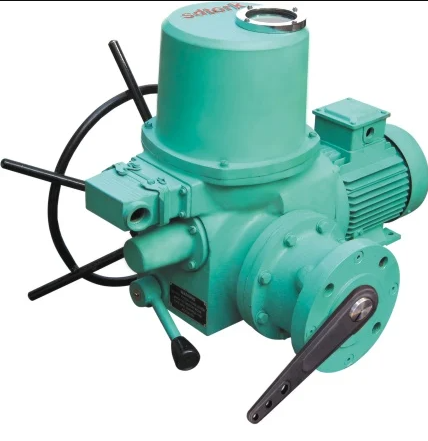
Automation has become increasingly important in modern industrial facilities. Instead of manually operating every valve, plants can use actuators connected to control systems. Pneumatic actuators can provide rapid operation, while electric actuators can be useful where electrical control and precise positioning are required. Gear-operated arrangements can also be used when manual operation requires additional mechanical advantage.
Automated valves can help operators control processes from centralized systems and may support remote operation in locations where manual access is difficult. However, actuator selection must match valve torque or thrust requirements, operating frequency, environmental conditions, available power, and control-system requirements.
For critical applications, the valve and actuator should be treated as one engineered assembly rather than selecting the actuator independently. Correct sizing can help prevent incomplete operation, excessive mechanical loading, or unnecessary energy consumption.
How to Choose a Valve Manufacturer
Choosing a manufacturer requires evaluation of both technical capabilities and business reliability. Buyers should first determine whether the company has experience with the required valve type, material, pressure class, size range, and industry application. Manufacturing facilities, machining capabilities, testing arrangements, quality-control procedures, and engineering support can provide useful information about production capability.
Documentation is another important consideration. Depending on the project, buyers may require material certificates, inspection reports, pressure-test records, dimensional reports, calibration records, or other quality documents. Manufacturers serving demanding industries may also work with third-party inspection agencies when required by a project specification.
A suitable Valve manufacturer in India should also be able to communicate clearly about lead times, customization, testing, packaging, installation requirements, and after-sales support. Comparing suppliers only by purchase price can overlook important differences in materials, testing, documentation, and technical support.
Importance of Testing and Inspection
Testing is essential because valves must operate reliably under specified conditions. Hydrostatic testing can be used to evaluate pressure integrity, while seat testing can check leakage performance. Depending on the valve type and application, additional examinations or specialized tests may be required.
Inspection can take place throughout the manufacturing process rather than only at the final stage. Raw materials may be checked before production, machined components can be inspected for dimensional accuracy, and assembled valves can undergo functional and pressure testing before dispatch.
Some industrial valve manufacturers specify testing against standards such as API 598 and ISO 5208. Product-specific requirements may also call for fire-safe testing, fugitive-emission testing, or special material verification.
These procedures provide greater confidence that a valve meets its specified requirements. Buyers should confirm exactly which tests are required for their project and whether documentation or third-party witnessing is necessary.
Role of Indian Valve Manufacturing in Industry
India’s valve manufacturing ecosystem supports a broad range of industrial and infrastructure requirements. Manufacturers operate across different scales, from companies focused on standard utility valves to engineering organizations producing specialized products for demanding process industries. The availability of different materials, designs, pressure classes, and actuation options allows buyers to source products for varied applications.
The industry also supports international supply chains. Indian manufacturers and exporters serve customers across multiple markets, with some companies developing products according to global engineering standards and international project specifications. This creates opportunities for businesses seeking customized and technically specified flow-control equipment.
For domestic projects, local manufacturing can also provide access to technical support, replacement components, maintenance assistance, and shorter communication channels. The actual benefits depend on the individual manufacturer’s capabilities, product range, quality systems, and supply performance.
Future of Valve Manufacturing in India
The future of valve manufacturing is closely connected with industrial automation, energy development, infrastructure expansion, water management, chemical processing, and increasingly demanding process requirements. Manufacturers are likely to continue improving machining accuracy, testing capabilities, digital design, actuator integration, and material engineering.
Smart and automated valves can become increasingly important as plants adopt digital monitoring and centralized control systems. At the same time, conventional valves will continue to have an important role in pipelines and industrial facilities because isolation and flow-control requirements remain fundamental to process operations.
Sustainability may also influence future valve development. Improved sealing, reduced leakage, longer service life, efficient actuation, and materials suited to specific environments can contribute to better overall system performance. Manufacturers that combine engineering knowledge, quality management, modern production technology, and application-specific support can remain important suppliers as industrial requirements evolve.
Conclusion
A Valve manufacturer in India can provide a wide range of flow-control products for water treatment, power generation, oil and gas, chemicals, pharmaceuticals, steel, cement, mining, food processing, and other industrial sectors. From gate and globe valves to ball, butterfly, check, plug, knife gate, and specialized designs, each valve type serves a particular operating purpose.
Choosing the right product requires careful consideration of valve function, pressure, temperature, fluid characteristics, materials, size, connection type, actuation, applicable standards, and testing requirements. A reliable manufacturing process should combine appropriate materials, accurate machining, controlled assembly, inspection, and relevant performance testing. By evaluating these factors before purchasing, businesses can select valve solutions that are better aligned with their operating conditions and long-term system requirements.