
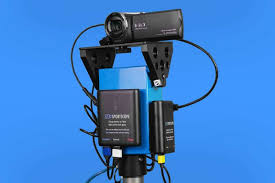


Evaluating athletic performance requires more than watching players compete or observing their movements during practice. Coaches need to understand how athletes respond to different situations, execute strategies, and contribute to overall team performance. Modern video technology has made this process more effective by providing detailed recordings that can be reviewed after training sessions and competitions. Equipment such as a Football Endzone Camera allows coaches to capture elevated views of the playing field, making it easier to examine formations, player positioning, and coordinated movements.
Moving Beyond Traditional Performance Evaluation
Traditional coaching methods depend heavily on direct observation and personal experience. While these remain essential, it can be difficult to remember every detail of a fast-moving sporting event.
Video recordings provide a reliable reference that coaching staff can revisit whenever necessary. They can pause specific moments, replay important sequences, and examine individual actions without the pressure of a live competition.
This additional perspective helps coaches make more informed assessments instead of relying entirely on immediate impressions. It also creates a consistent record that can be used to monitor development throughout a season.
Identifying Technical Strengths and Weaknesses
Every athlete has different abilities, and understanding these differences is important when developing effective training programs. Video analysis allows coaches to examine technical skills and recognize areas that require additional attention.
For example, a football coach can review a player’s footwork, blocking technique, route execution, or defensive positioning. Basketball coaches may focus on shooting mechanics, movement without the ball, and defensive reactions.
These observations make feedback more specific. Rather than giving general instructions, coaches can show athletes exactly where their technique needs adjustment and demonstrate how small improvements can influence performance.
Understanding Team Coordination and Tactical Execution
Individual ability is only one part of successful athletic performance. Teams must also maintain communication, positioning, and coordination throughout a competition.
Wide-angle footage helps coaches understand how players interact within a formation. They can identify gaps in defensive coverage, examine passing opportunities, and assess whether athletes are maintaining their assigned positions.
Reviewing complete plays is particularly useful because it reveals how one player’s decision can affect the actions of several teammates. This broader understanding supports better tactical discussions and more organized training sessions.
Creating More Personalized Training Plans
Video-based evaluation makes it easier to develop training activities around individual requirements. Coaches can identify recurring mistakes and create exercises that address specific weaknesses.
For instance, an athlete who struggles with positioning may benefit from drills focused on spatial awareness. Another player might need additional work on reaction speed or movement technique.
Recorded footage can also help measure progress over time. Comparing earlier performances with recent sessions gives athletes a clearer picture of their development and provides coaches with practical evidence of improvement.
Improving Preparation Before Competitions
Video technology is equally useful when preparing for upcoming matches. Coaches can review previous performances, study opponents, and identify patterns that may influence their game plans.
Examining recorded footage allows teams to understand how certain formations respond under pressure and which strategies are most effective in different situations.
These insights can be incorporated into practice sessions, helping players become more familiar with potential challenges before entering competition.
Choosing Suitable Video Recording Equipment
The quality of performance evaluation depends partly on the recording setup. Teams should consider camera positioning, image clarity, stability, portability, and the amount of field coverage required.
Elevated recording systems are especially useful for sports that involve complex formations and coordinated movements across large playing areas. A suitable setup allows coaches to collect useful footage without constantly moving equipment during practice.
Conclusion
Video technology has changed athletic performance evaluation by giving coaches a more detailed understanding of individual skills and team coordination. It supports clearer feedback, focused training plans, and better tactical preparation. When combined with coaching experience and consistent practice, reliable video recordings become a valuable resource for helping athletes recognize their potential and improve their performance.