
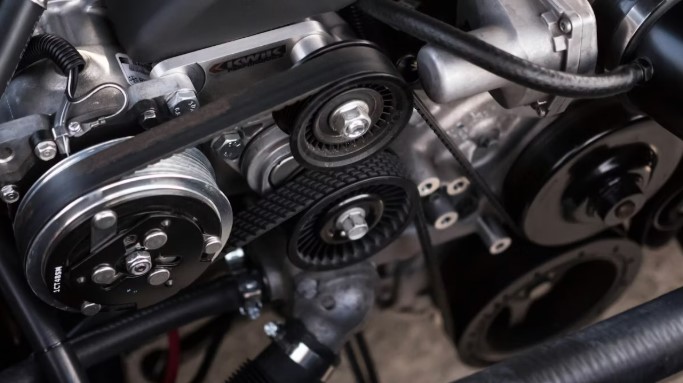


Motors operating in high-temperature environments face serious risks if proper precautions are not taken. Excessive heat can damage insulation, degrade components, increase internal pressure, and in extreme cases, lead to fires or explosions. This is especially critical in industrial settings, hazardous locations, or areas with poor ventilation. To ensure safety, reliability, and long-term performance, it is essential to design, install, and maintain motors with heat management in mind.
Below are five practical tips to help prevent motor failure or explosion in high-temperature conditions.
1. Choose a Motor Designed for High-Temperature Operation
Not all motors are built to withstand extreme heat. When operating in high-temperature environments, always select motors specifically rated for elevated ambient temperatures. These motors use heat-resistant insulation, upgraded bearings, and specialized materials that maintain performance under thermal stress.
Using a standard motor in a high-heat environment significantly increases the risk of overheating, breakdown, and catastrophic failure. Matching the motor’s temperature rating to the operating conditions is the first step toward safety.
2. Use UL 698A Certified Equipment in Hazardous Areas
If your motor operates in a potentially explosive or hazardous environment, choosing UL 698A certified equipment is critical. UL 698A certification ensures that electrical equipment is suitable for use in hazardous locations where flammable gases, vapors, or dust may be present.
Motors and control systems with UL 698A certification are designed to minimize ignition risks even under high-temperature conditions. Using certified equipment not only enhances safety but also helps meet regulatory and insurance requirements, reducing legal and operational risks.
3. Ensure Proper Ventilation and Heat Dissipation
Adequate ventilation is essential to prevent heat buildup around motors. Poor airflow can trap heat, causing internal temperatures to rise beyond safe limits. Install motors in well-ventilated areas whenever possible and avoid enclosing them in tight spaces without cooling provisions.
Cooling fans, heat sinks, or forced-air systems can significantly improve heat dissipation. Regularly check vents and cooling pathways to ensure they are free from dust, debris, or obstructions that could restrict airflow.
4. Monitor Temperature and Load Conditions Continuously
Continuous temperature monitoring allows early detection of overheating issues before they become dangerous. Using thermal sensors, alarms, or automated monitoring systems helps track motor temperature and operating load in real time.
Overloading a motor increases heat generation and accelerates component wear. Keeping the motor within its rated load capacity reduces thermal stress and extends service life. Early warnings enable timely shutdowns or maintenance, preventing explosions or permanent damage.
5. Perform Regular Maintenance and Inspections
Routine maintenance is crucial for motors operating in high-temperature environments. Inspect insulation, wiring, bearings, and seals regularly for signs of heat damage, cracking, or wear. Lubrication should be appropriate for high temperatures, as standard lubricants may break down under heat.
Regular cleaning prevents dust and grime buildup, which can act as insulation and trap heat. A proactive maintenance schedule significantly lowers the risk of sudden motor failure or explosive incidents.
Conclusion
Operating motors in high-temperature environments requires careful planning and strict safety measures. Selecting heat-rated motors, using UL 698A certified equipment, ensuring proper ventilation, monitoring temperature and load, and maintaining a consistent maintenance routine all play a vital role in preventing explosions. By prioritizing these precautions, businesses can protect their equipment, personnel, and facilities while ensuring reliable motor performance even under extreme conditions.