
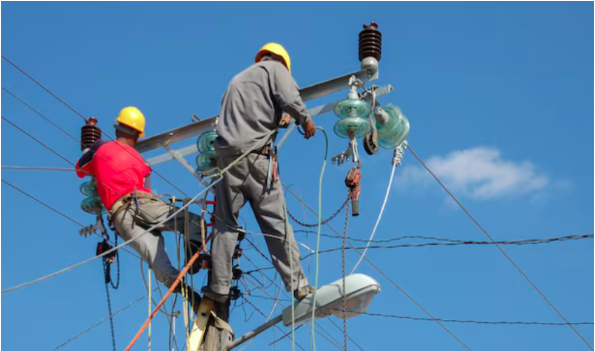


Maintaining a constant and reliable source of electricity is the lifeblood of any modern manufacturing or processing facility. Even a momentary dip in power can result in the loss of critical data, damage to expensive machinery, and hours of unproductive downtime.
In an era where global competition demands maximum efficiency, industrial leaders must prioritize the resilience of their electrical infrastructure.
Achieving an uninterrupted power supply requires a proactive strategy that addresses potential points of failure before they cause a disruption. Here are the essential tips to safeguard your industrial operations against power instability.
1. Securing Local Fuel Reserves with a Generator Day Tank
When the main electrical grid fails, backup systems must engage instantly and run for extended periods without faltering. Integrating a robust generator day tank into your emergency power setup is a critical step for ensuring fuel availability.
A high quality generator day tank provides a dedicated supply of fuel located in close proximity to the engine, which eliminates the risk of air locks and ensures consistent pressure during startup.
By regularly inspecting the level sensors and automated pumps of your generator day tank, you can be confident that your facility will remain powered even during prolonged external outages.
2. Extending System Longevity Through Transformer Equipment Maintenance
The transformers within an industrial site are responsible for stepping down high voltage electricity into usable levels for heavy machinery. Because these units are subject to immense thermal and electrical stress, consistent transformer equipment maintenance is non negotiable.
During a scheduled round of transformer equipment maintenance, technicians perform oil acidity tests and check the integrity of the cooling fans and bushings.
These preventative measures help identify internal degradation that could lead to a catastrophic short circuit. By keeping these vital components in peak condition, you significantly reduce the risk of a localized power failure.
3. Implementing Automated Uninterruptible Power Supply Systems
For the most sensitive electronic equipment, such as server racks and control units, even the few seconds it takes for a generator to start can be too long. Installing a large scale uninterruptible power supply system provides a bridge during the transition from grid to backup power.
These systems use battery banks to provide instantaneous electricity, filtering out voltage spikes and sags that can occur during a storm or grid fluctuation.
Integrating these systems across your plant floor protects your most delicate assets from the harmful effects of dirty power and sudden shutdowns.
4. Utilizing Real Time Power Quality Monitoring
You cannot manage what you do not measure, and this is especially true for electrical health. Advanced power quality monitors can be installed at various points in your distribution network to track harmonics, frequency deviations, and load imbalances.
These devices provide real time data that can alert engineers to a potential problem long before it results in a blackout.
By analyzing these trends, facility managers can balance the electrical load more effectively and identify inefficient machinery that may be drawing excessive current and stressing the system.
5. Scheduling Periodic Load Bank Testing
A backup generator that has not been tested under a full load is a liability rather than a safety net. Periodic load bank testing involves connecting an artificial electrical load to your power system to see how it performs under maximum stress.
This process ensures that the engines can reach their operating temperatures and that the cooling systems are capable of handling the heat generated during a real emergency.
Regular testing also helps to clear out carbon deposits in the exhaust system, ensuring that the machinery is ready to perform at its rated capacity when it is needed most.